


Your Adventure Awaits


The Legacy of Baijiu
Winding through the misty, verdant valleys of Southwest China, the legacy of baijiu and the revolutionary memory of the Red Army flow together like a single, unbreakable current. This historic journey begins in Luzhou, where ancient fermentation pits have breathed life into bold spirits for centuries, before tracing the dramatic bends of the Chishui River—the famed "River of Wine"—to the steep cliffs of Erlangzhen, where towering limestone caverns age liquid treasures in sacred stillness. It was across these very waters that the Long March took its most brilliant tactical turn during the legendary Four Crossings, a grueling campaign where the fiery, medicinal local spirits offered healing and solace to weary soldiers. The trail builds to a crescendo in the historic, aroma-drenched air of Maotai Town, where the rich chemistry of soil, water, and traditional craftsmanship creates China’s ultimate liquid heritage, before finally anchoring in Zunyi, a city forever etched into the bedrock of modern history as the birthplace of political rebirth, where monumental decisions were forged amid the lingering, intoxicating fragrance of the valley's greatest art form.
History & Culture
China
Small Groups
Price On Request
When To Go?
Highlights
Accommodations
Dynamics is the approach and traversing the baijiu trails of southern Sichuan Province into northern Guizhou, offers a collection of spectacular accommodations defined by geology, heritage and the finesse to crafting the world's most revered, yet least-understood spirit.
Experiences
This is a baijiu connoisseur's dream escape, a rare journey that goes back in time to the formation of modern China and an exclusive invitation into the dignified baijiu realms that will be seldom visited.


Itinerary
DAY 1: Chongqing / Luzhou
.png)
Embark on a comfortable high-speed bullet train journey this morning from Chongqing to the Sichuan Province's southern frontier city of Luzhou, renowned as the undisputed liquor city in the province with a history of single-grain baijiu making for more than 400 years. We will enjoy a privileged visit to the time-honored Luzhou Laojiao Distillery, first established in 1573 during the Ming Dynasty and the originator of "strong-aroma" baijiu. On an insightful tour, we will visit its incredible fermentation pits, the ancient ageing tunnels. Take a step into the Luzhou Laojiao Museum detailing centuries of wine heritage through the history and evolution of the distillery. Our visit will thus culminate in an exquisite tasting including the original Luzhou Laojiao 1573, a potent 68-degree liquor. The strong aroma lingers, even with cautious sips, leaving a lasting impression.
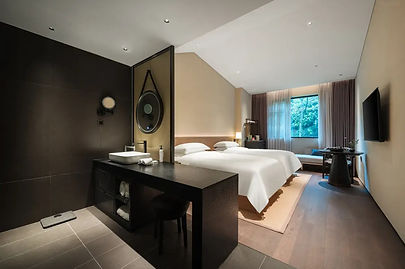
Later, we will retreat to the Guili Hotel, close to the old Daqu Cellars of Guojiao 1573. Nestled amid a lush longan forest that is over a century old, the hotel offers a tranquil atmosphere incorporating the elements of "liquor city" and retaining the charm of traditional architecture, the design followed the philosophy of harmony with nature


DAY 2: Luzhou (Excursion to Fubao Village)
We begin our day with a visit to the time-honored Xianshi Soy Sauce, at the confluence of the Yangtze River and Chishui River Established since 1893 after the flourishing trade of salt along the Chishui River, we will experience soy sauce that is still produced in the traditional ways as more than a century ago. On an insightful tour, we witness the koji-making facilities as well as marveling at the stunning sight of more than 6,000 jars and pots of soybeans left in the sun to dry and collection of river dew at night.


Thereafter, continue to the hidden village of Fubao Ancient Town, encircled by mountains. Be mesmerized by the unmistakable rows of stilted wooden buildings stylized from the Ming & Qing dynasties. On a walking tour, we discover the town's history which once flourished as an important hub for the salt trade, while taking the time to explore the winding stone pathways and interconnected bridges. Witness traditional shops still parading local crafts and local fares deep-rooted in heritage.
Thereafter, we return to Luzhou where you have time to unwind before a dinner banquet paired with Luzhou Laojiao's range of baijiu.


DAY 3: Luzhou / Chishui Danxia
We leave Luzhou this morning entering into northern Guizhou Province where we will have our first glimpse of the important and storied Chishui River. Following the river, we soon find ourselves in the UNESCO World Heritage-listed Chishui Danxia Geological Park, spanning over 36 square kilometres of prehistoric landforms, red sandstone cliffs, narrow ridges, uniquely shaped rocks and formations, caves and some of the most incredible waterfalls. We will have the full opportunity today to discover some of the astounding natural features including the Great Waterfall of Chishui plummeting 76m to the bottom, the spectacular Buddha Light Rock - a circular Danxia stone wall that is 234 meters high, 666 meters wide, and more than 1,000 meters in arc length. Not to be missed is also the Sidonggou, named after the four-tiered waterfalls cluster and the cave behind them.


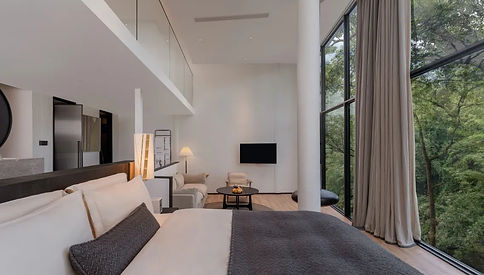
Thereafter, we continue into Bing'an Village where we arrive at the unique Jianglu Yalugu Hotel, converted from 11th-century old cave dwellings and is the first cave hotel in China. Opened in 2023, the incredibly-designed hotel blends seamlessly into the Danxia landform, featuring a predominantly red color scheme, with its buildings seemingly embedded into a cave. winding cave paths, varying in depth and height, connect the 25 guest rooms, and inscriptions from the Qing Dynasty are still preserved on the cave walls.


DAY 4: Chishui Danxia
We have another day in the spectacular environments of Chishui Danxia taking our time to immerse in the spectacular nature and landscapes.
An undoubted visit will be a walk down memory lane in Bing'an Ancient Town, perched on a cliff overlooking the Chishui River with stacked rows of buildings dating back from the Ming & Qing dynasties. Discover the architectural ingenuity where facing a steep slope, stilted houses rise over 20m to create space vertically instead of horizontal expansion due to the surrounding mountains and forests. We will also get the chance to interact with locals, with some families witnessing Bing'an Ancient Town's past status as a military garrison during the Red Army Revolution.


DAY 5: Chishui Danxia / Tucheng Ancient Town / Erlang
We leave Chishui Danxia today and our first stop of the day will be the historic Tucheng Ancient Town, a strategic location fought over by military strategists since ancient times, a town that prospered during the salt trade, one of the vital areas of the "Four Crossings of the Chishui River" during the Mao Zedong's Red Army Long March. Discover the town's nostalgic atmosphere, with well-preserved buildings from a bygone era. Visit the Shipping Museum where we learn about its past as a major salt trade stop from Sichuan to Guizhou.
We will also visit the Memorial Hall of the Women Red Army, where the female red army heroic deeds proved pivotal during the Long March, fighting alongside the men and enduring utmost hardship during the revolution.


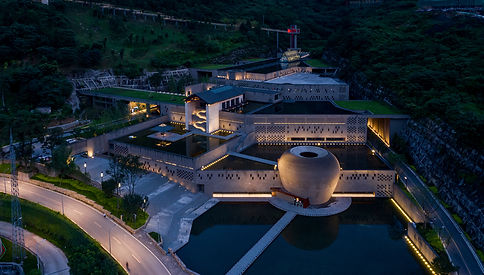
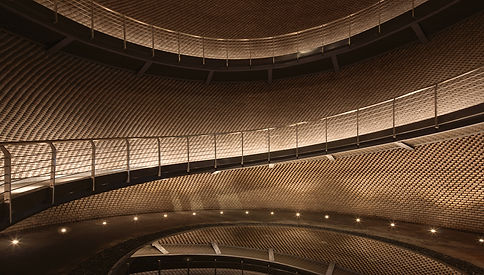
We continue our journey today meandering down the Chishui River, the vital water source for the production of Guizhou Province's iconic "sauce-aroma" baijiu, so much so the river has been named "beautiful alcohol river". We soon find ourselves in the town of Erlang - the undisputed home of Langjiu - one of China's most incredible baijiu estate and distillery. Since its inception in the late Qing Dynasty, Langjiu has always adhered to the principles of "upright mind and virtue, reverence for nature, respect for science, and brewing fine wine", thus developing its unique recipe of "born in the Chishui River, grown on Tianbao Peak, nurtured in pottery jars, and stored in Tianbao Cave", which made Langjiu such a distinctive and premier brand.
On an exclusive VIP guest experience with andBecause, a member of Langjiu, you are welcome and warmly escorted to your private hotel in Langjiu Estate, followed by an orientation through the facilities. A delightful dinner experience, paired with a range of Langjiu accompanies followed by a mesmerizing evening light show.


DAY 6: Erlang
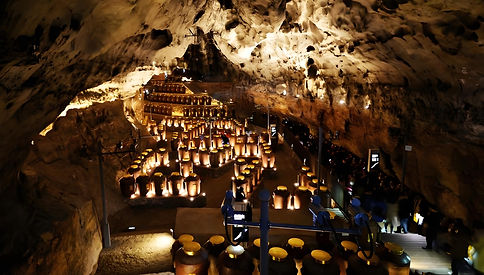
One of the world's rarest spirits experience takes place today in your exclusive andBecause privilege. We will enjoy a full day immersing in the incredible production of Langjiu, a behind-the-scenes look at the facilities, a Langjiu blending experience where you can try your hand at baijiu cocktail-making and a visit into the elusive Renhe Cave where thousands of bottles of Langjiu are meticulously stored for ageing.
The evening concludes with the Jingtiantai experience, a 2,300-square-meter underground structure nestled within nature. This ingenious design seamlessly blends space, nature, and culture, as well as the perfect place for exquisite tasting and dinner.




DAY 7: Erlang / Maotai Town
We leave Langjiu Estate behind today and depart for Maotai Town, the most renowned liquor city in China famous for the production of Kweichow Moutai. As we enter through the gates of the town, the aroma fills the air at every possible corner, immediately signaling a welcome like no other towns. Visiting the Centuries-old distillery, we get a deep insight into the craft, perfected during the Qing Dynasty when distillers developed innovative techniques that elevated Moutai's distinct flavor and character, making it a symbol of China's cultural heritage. Embark on a walking tour of Maotai Town, where every corner tells interesting backstories including the 1915 Square, commemorating the award-winning year that the Kweichow Moutai won during the Panama-Pacific Expo in San Francisco. Stroll through the bustling Yangliuwan Street, filled with liquor stores from various distilleries, baijiu-themed restaurants and more.
Later, we will arrive at the Intercontinental Maotai Town, overlooking Maotai Town and its historic distilleries. Located within the Hengchang Contemporary Art Center, which is part of the Hengchang Shaofang Winery on the banks of the Chishui River, it is the perfect base from which to pay pilgrimage to Kweichow Moutai.

.jpg)


DAY 8: Maotai Town / Wujiang Village
After breakfast, we head to the Tianniang Scenic Area, perched atop Xishan Park with panoramic views of Maotai Town and the Chishui River. Jointly created by the Renhuai Municipal Government and the core team of the opening and closing ceremonies of the 2008 Beijing Olympic Games, the architectural design of Tianniang Theater was inspired by wine bowls, wine jars and terraced fields. We will have the opportunity to witness the "Tian Niang show", a 75mins live-action performance themed around the millennia heritage of Moutai "sauce-aroma" heritage, using technology to tell the story of the famous liquor in an immersive 360-degrees visual experience.
Later, we will enjoy a visit to the award-winning Hankol Junfeng Distillery, a visionary brand in the "sauce-aroma" baijiu sector and one of China's fastest-growing, spreading its reach to major Asian markets. Witness the modern facilities behind the scenes and an understanding of its production process concentrating on
brewing techniques, quality upgrades, technological advancements, and capacity expansion beyond the traditional "12987 baijiu production" protocols. Thereafter, we have the chance to taste its exquisite range.

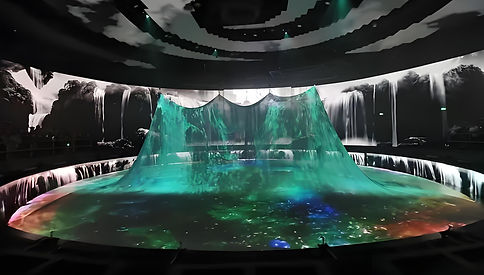


From here, we will leave Maotai Town behind and journey on a 2 hours' drive to Wujiang Village, revamped, protected and built upon a traditional village nestled against the mountains. An orientation on a wooden boat allows us a brief introduction to the ancient atmosphere dominated by stilted buildings and houses, inns and a traditional streetscape. Thereafter, we will arrive at the Grand Miao Resort where we stay for the next 2 nights.


.jpg)
DAY 9: Wujiang Village
We have the entire day to unwind and the chance to learn about Guizhou's Miao ethnic heritage, crafts, as well as the chance to witness "di ci" street opera performances. Adorned with an array of eateries, restaurants as well as street stalls, the freedom is yours to experience Wujiang Village in its purest essence.


DAY 10: Wujiang Village / Departure Zunyi
Today, we depart Wujiang Village for a short drive into Zunyi City, home to the Zunyi Conference Site - where the historic elevation of Mao Zedong to the leadership of the Chinese Communist Party and the Red Army took place during the Long March in 1935, proving to be the turning point that led to the success of the Chinese Revolution and the founding of the People's Republic of China.
Finally, we will transfer to Zunyi Railway Station for our departure. Alternatively, we will transfer to Zunyi Maotai Airport for your flight departure.


Featured Hotels

Jianglu Yalugu Hotel
Jianglu Yalugu is a rare, truly unique cave waterfall hotel in China. It was converted from 11 century-old residences within a cave, featuring a cave fire pit, a cave waterfall swimming pool, a cave coffee bar, a cave-view restaurant, a meditation space, a meditation terrace, a bamboo-themed multi-functional room, and a tea table.
Located near Bing'an Ancient Town in Zunyi, Guizhou, the hotel boasts early Danxia landforms. Surrounded by mountains and rolling bamboo forests, shrouded in mist, the hotel is a unique gem in Guizhou, both mysterious and magnificent, especially after the rain when the town is both vibrant and poetic.

Privileges
Complimentary Breakfast
Priority Room Upgrade
Guili Hotel Luzhou
Contemporary oriental aesthetics integrate with the thousand-year-old culture and heritage of the wine city of Luzhou, creating a stunning living space where nature and culture harmoniously coexist. Drawing inspiration from Eastern culture, the design showcases a modern interpretation. By incorporating cultural symbols of the "City of Liquor," traditional architectural charm is preserved. Leveraging local cultural resources, the building's facade is rejuvenated using mud from old cellars, while also reinforcing the original structure. The architecture, curtain walls, landscape, interiors, and lighting are all transformed, breathing new life into the old building.