


Your Adventure Awaits


An Expression to Terroir
Yamanashi & Nagano
In the shadow of the Southern Alps and the towering presence of Mount Fuji, the terroir of Yamanashi and Nagano unfolds as a masterclass in high-altitude viticulture and alpine distillation. Yamanashi’s Koshu Valley serves as a sun-drenched amphitheater where volcanic, well-drained soils and a distinct rain shadow effect allow vines to thrive, producing wines of crystalline purity and delicate minerality. Shifting toward the rugged interior of Nagano, the "Japanese Alps" provide a cooler, continental embrace where dramatic diurnal temperature swings lock in vibrant acidity and concentrated fruit profiles, particularly for elegant Merlots and Chardonnays. This same geography transforms into a sanctuary for whisky; the pristine, snow-melted waters filtered through granite layers provide a soft, velvet-like base, while the thin, mountain air and seasonal extremes accelerate a maturation process that imbues the spirit with notes of forest floor, sandalwood, and a crisp, ethereal finish unique to the roof of Japan.
Japan
History & Culture
Art de Vivre
Price On Request
When To Go?
Highlights
Accommodations
This is a celebration of refinement in architecture, the arts and the healing environments where we immerse in the mindfulness and Japanese hospitality that has elevated with an avant-garde quality.
Experiences
Underrated all these while, Japanese wines are finally coming into its own, catching up with its finesse in whisky production. This journey allows you a comprehensive insight into the incredible terroir of Yamanashi and Nagano Prefectures, of just why it is so highly-revered in the world.


Itinerary
DAY 1: Tokyo / Fujiyoshida / Lake Kawaguchi
.png)
We begin our journey departing from Tokyo heading west to Fujiyoshida, the closest city to Mount Fuji in Yamanashi Prefecture where we will visit the Arakurayama Sengen Park, concealed within a forest at the foot of Mount Fuji. One of the most emblematic image of the shrine is the 400 steps up to the five-storied Chureito Pagoda, overlooking Fujiyoshida and the impressive views of Mount Fuji. Close by, we visit the Three Michelin-starred Ichiku Kubota Museum, who revived the lost art of Tsujigahana silk dyeing that are used to decorate elaborate kimono during the Muromachi Period (1333 – 1573). Exhibited are several of the artist’s kimono creations, depicting themes of nature, the cosmos and the seasons. Also on display are parts of his unfinished masterpiece “Symphony of Light”, a huge work comprised of 80 kimono that together form a picture of Mount Fuji.
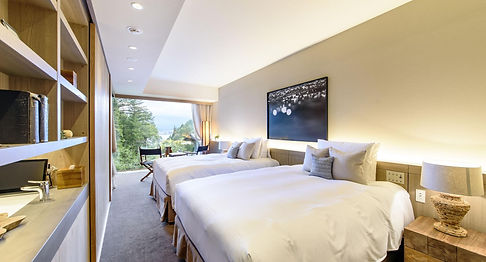
From here, we then finally transfer to the forest resort of FuFu Kawaguchiko, which marries the impeccable hospitality of a Japanese ryokan with the homey feel of a forest lodge. Each of the 32 attractively-furnished suites feature exquisite views of Mount Fuji across the glittering waters of Lake Kawaguchiko with private fresh-air hot spring bath.


.jpg)
DAY 2: Lake Kawaguchi (At Leisure)
Enjoy a full day at leisure to unwind in the beautiful environments of Lake Kawaguchi, set against endless views and magical moments of Mount Fuji. With an array of museums such as the Kawaguchiko Music Forest Museum, Kitahara Toy Museum and an assortment of interesting cafes, restaurants and viewing points, you deserve the chance to soak it all in. Seasonally, consider a visit to the beautiful grounds of Oishi Koen Park where different kinds of seasonal flowers decorate the park promenade for some of the most stunning images of Mount Fuji in the background.


DAY 3: Lake Kawaguchi / The Koshu Valley - Katsunuma
After 2 days in Lake Kawaguchi, we depart north as we finally enter the realms of the Koshu Valley where wine producing traditions first began more than a thousand years ago. Make a stop at Daizenji Temple, overlooking the wine town of Katsunuma. For 13 centuries, Daizenji has been deeply connected to viticulture. After having a vision of the Buddha of healing holding a handful of grapes, Gyōki, a great priest, made a statue of the Buddha and founded the temple in 718 AD. According to local legend, Gyōki cultivated the land for vineyards and taught locals how to grow grapes. On a visit of the temple grounds, we take a walk with the head priest to learn about the origins of grape cultivation, including wine tasting in the temple, a unique experience found nowhere else in Japan.


Thereafter, visit the Chateau Mercian Wine Museum, tracing its roots to 1877, founded as Japan's first winery. Learn about the birth of Japanese wine chronicling the early beginnings to its current stature in the world of wines. From here, a short drive arrives us at 98 Wines, selected as one of the “World’s Best Vineyards 2023". Together with charismatic founder, Shigeyuki Hirayama, we enjoy an insight into the developments of Yamanashi wine and the stories of his winemaking journey for more than 30 years. Light meals accompany wine pairing tasting in a unique countryside setting gazing out to impeccable views of Mount Fuji.


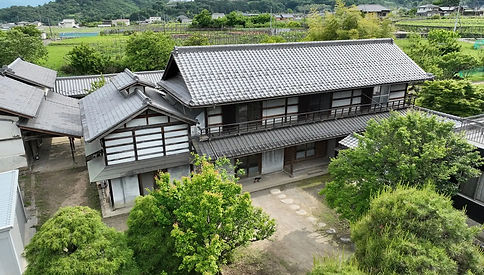
We will then retreat to the Hotel Kikushimatei, exclusively hosting just a group a day. Housed in the former Kikushima Residence, a historic mansion designated as a National Registered Tangible Cultural Property, experience the remarkable charm of 150 years of history as you take a step back in time to the Meiji era. This evening, we enjoy an exquisite gastronomic experience with owner and Chef Yukihiro Sugiyama expressing the incredible local ingredients and the chance to sample with stunning wines of Yamanashi.


DAY 4: The Koshu Valley - Katsunuma / Hokuto
This morning, we continue our sojourn of Yamanashi's Koshu Valley where we embark on a visit to the historic Suntory Tomi no Oka Winery, producing revered wines for over 100 years in a land spanning over 150 hectares. On a guided tour, we will be taken to the mesmerizing vineyards as well as the ageing cellar witnessing the winemaking process culminating in a tasting of its exquisite wines.
Later, our drive enters into Hokuto, blessed with incredible weather and sunlight throughout the year, clean favorable waters from the Yatsugatake Mountains that give birth to some of the finest sake and whisky produced in Japan, as well as a burgeoning art scene. We visit the unique Gasbon Metabolism, a captivating museum showcasing thought-provoking sculptures and artwork in an industrial-chic building.
Soon, we continue to the Nakamura Keith Haring Collection. Founded by Dr Kazuo Nakamura, who has been collecting the artworks of Keith Haring since 1987, is the only museum in the world celebrating the creative genius that is Keith Haring, reflecting the turbulent state of the time Haring lived and his philosophy. A stone's throw arrives us at the fascinating Museum Hotel Keyforest, designed by Atsushi Kitagawara and built to integrate art, architecture to blend with the beautiful nature of Yatsugatake. Six distinctive rooms are designed to reflect the unique atmosphere of this area and is filled with carefully selected furniture and design elements. It is named "Sun, Water, Mountain, Forest, Wind, Soil" with the theme of nature.


DAY 5: Hokuto
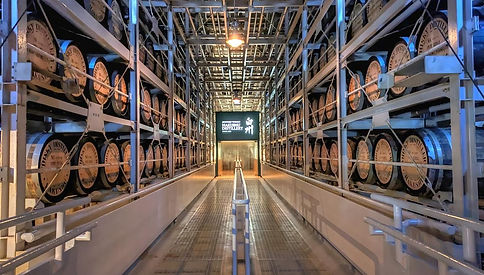
A spectacular day begins with the Suntory Hakushu Distillery experience. Also known as the "Forest Distillery", the famous and internationally-acclaimed whisky distillery uses natural underground water from the southern alps flowing through its vast 820,000 sqm site to produce one of Japan's most revered range of whiskies. Embark on a rare tour of the distillery's facilities, cellar, and the chance for a craftsmanship tasting experience.


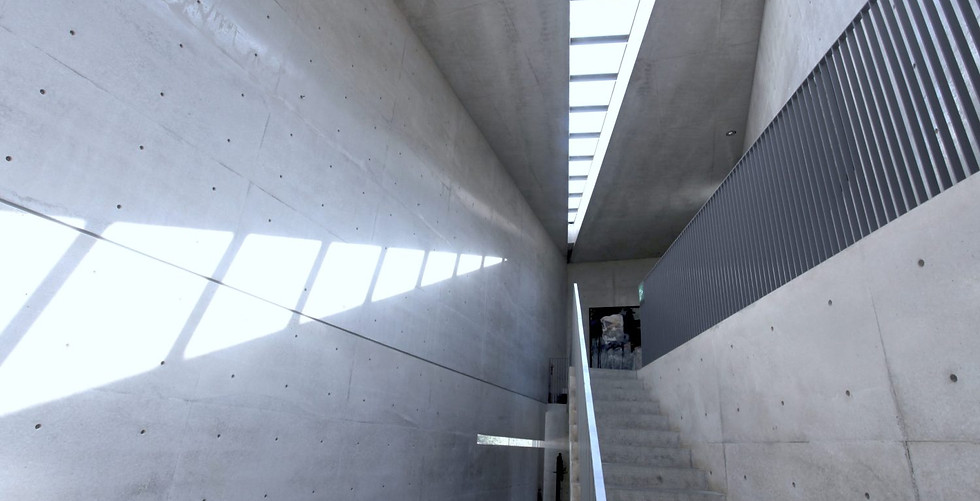
Thereafter, we make a visit to the Kiyoharu Art Colony, where stunning artworks by renowned architects congregate such as La Ruche - designed by Gustave Eiffel, architect of the Eiffel Tower, the Kiyoharu Shirakaba Museum of Art where you can view permanent exhibitions of pottery Buddhist art, self-portraits, and other collections from Naoya Shiga, as well as the Museum of Light designed by Ando Tadao.
Worth a visit is the legendary Shichiken Sake Brewery. The brewery today houses a sake shop, the historic Anzaisho building where in 1880, was chosen as the lodging for the Meiji Emperor's visit to Yamanashi in 1880, the Denso-gura where historically important artworks, documents, and items related to Emperor Meiji are exhibited, the Restaurant Daimin serving traditional cuisine prepared using the fermentation techniques of sake brewing, and the Kura Cafe where sweets are made using all-natural koji sugar produced during the sake rice fermentation process.




DAY 6: Hokuto / Komoro / Karuizawa
We leave Hokuto today continuing our journey north and into Nagano Prefecture where we visit the Chateau Mercian Mariko Winery, voted as one of the "World's Best Vineyards". Be impressed by the modern estate situated within 20 hectares of vineyards. We will enjoy an insightful experience beginning with a tour of the vineyards, the winemaking facilities including the tank room, cellar and a tasting of its exquisite wines that has put Japan on the world of wine map.
Later, a short drive arrives us at the post town of Unno-juku, an important stop connecting the historic Nakasendo. Witness an impressive stretch of Edo and Meiji era buildings, previously functioning as inns and merchant stores patronized by pilgrims travelling to and from the Zenkoji Temple.


Soon, we continue to Komoro Distillery, owned by Ian Chang (former master distiller of Kavalan) and Koji Shimaoka. Opened in 2023 in a privileged location below the volcanic Mount Asama, we enjoy an insight into the distillery's usage of mineral-infused waters to produce its whisky, which is then aged on premises in primarily mizunara oak casks as well as sherry, ex-bourbon and other casks procured from around the world. We witness the ageing warehouse and a glimpse into the crafting process before an exclusive new-born tasting of its 2026-ready 3-years-aged whisky.
From here, a short drive arrives us at Shishi-Iwa House, a collection of intimately crafted retreats, fusing a mastery of contemporary architecture, design and art with culinary taste-making and a deep connection to nature. Wrapped in wild forests and mountain peaks, it is home to three architectural masterpieces. SSH No.01 and SSH No.02 by Shigeru Ban opened in 2018 and 2022; SSH No.03 by Ryue Nishizawa in 2023. These are the first hotel projects for both Pritzker Prize-winning architects. This evening, embark on a culinary journey to Chef Masashi Okamoto's exquisite Japanese-French fares at Restaurant Shola, embodying the pursuit of unique, locally sourced ingredients and fosters deep connections with local producers, encapsulating the spirit of Karuizawa.


DAY 7: Karuizawa
Today is a day to be fully-immersed in Karuizawa's idyllic nature and a chance to unwind and rejuvenate at leisure. Consider a visit and hike to the Shiraito Falls, with its signature 70m width and white water fed by the underwater flow of nearby volcanic Mount Asama. Nearby Shishi-Iwa House in the Hoshino area, lies the contemporary Karuizawa Stone Church, designed by American architect Kendrick Bangs Kellogg. Built from stone and glass, this modern chapel embodies organic architectural principles and integrates seamlessly with the surrounding natural environment.
Worth a leisurely visit is the Harunire Terrace, a small town in the forest based on the concept of "everyday life in Karuizawa." The buildings are located in a grove of Japanese elms and along the clear stream of the Yukawa River, and are connected by wooden decks.
An unmissable visit is undoubtedly the spectacular Hiroshi Senju Museum, exhibiting a valuable collection of about 50 works by world-renowned Japanese-style painter Hiroshi Senju, from his early works to his latest creations. The interior of the museum, designed by architect Ryue Nishizawa, is filled with natural light, creating a bright and open exhibition space. Other facilities include a color leaf garden with approximately 60,000 plants and more than 150 varieties of flowers and grasses.
Consider as well a visit to the Karuizawa Ginza, lined with an array of restaurants, shops, bakeries and cafes along a 750m stretch where dining and retail options abound.


DAY 8: Karuizawa
Taking centerstage today is the opportunity of a lifetime for an exclusive visit to the legendary Karuizawa Distillery, helmed by Shigeru Totsuka, 16th-generation master brewer of Totsuka Sake Brewery that was first founded in 1653 by Heiemon Totsuka, a retainer of the Tokugawa clan. The former Karuizawa Distillery once owned by Mercian, was permanently closed in 2012 where all equipment were dismantled and remaining stock were sold off, resulting in no official bottle releases and whisky available only in limited releases from select independent bottlers. Its rarity and flavor have since been re-evaluated, leading to a surge in worldwide popularity. Bottles listed at auctions have fetched high prices, drawing considerable attention. Now, it stands as one of the legendary labels, incredibly difficult to obtain. In 2022, the distillery was brought back to life by Shigeru Totsuka and along with Yoshiyuki Nakazato, the last factory manager of the former Mercian Karuizawa Distillery. Today, we have the chance to own a piece of Japanese whisky history through private cask ownership.


DAY 9: Karuizawa / Tokyo
Enjoy a final morning in the relaxing environments of Shishi-Iwa House and thereafter, we transfer to Karuizawa Station to embark on the Hokuriku Shinkansen for your return to Tokyo.

Featured Hotels
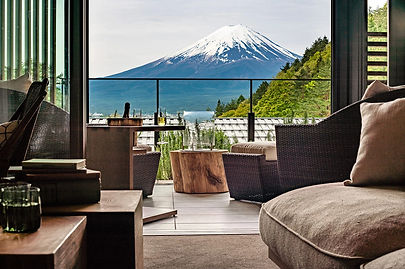
FuFu Kawaguchiko
Facing Mt. Fuji, this place of noble beauty remains still and serene. Repose in the forest of Kawaguchiko. Leave scheduled time to regain nature’s time.
Welcome to FUFU Kawaguchiko. All rooms are suites with a view of Mount Fuji and allow guests to admire the mountain scenery which transforms from one season to the next. Guest rooms feature open-air natural hot spring baths lined with volcanic stone from Mount Fuji and eco-friendly bioethanol fireplaces. Bask in the light of the dancing flames as the fragrance of the trees drifts in on the breeze at this forest getaway.

Shishi-Iwa House
Shishi-Iwa-House Karuizawa is not one house but a collection of them, three and counting, by two of Japan’s finest modern architects: Pritzker winners Shigeru Ban and Ryue Nishizawa. The three houses are divided into stunning, quietly luxurious guest rooms in both Western and tatami styles. Hiking and forest bathing tempt guests out, while an architecture library and an arts and culture program provide indoor enrichment — as does Shola, the restaurant, where chef Masashi Okamoto serves breathtaking French-Japanese cuisine crafted from local and seasonal ingredients.

Privileges
Priority upgrade on booking*